
How accurate is my Fitbit?

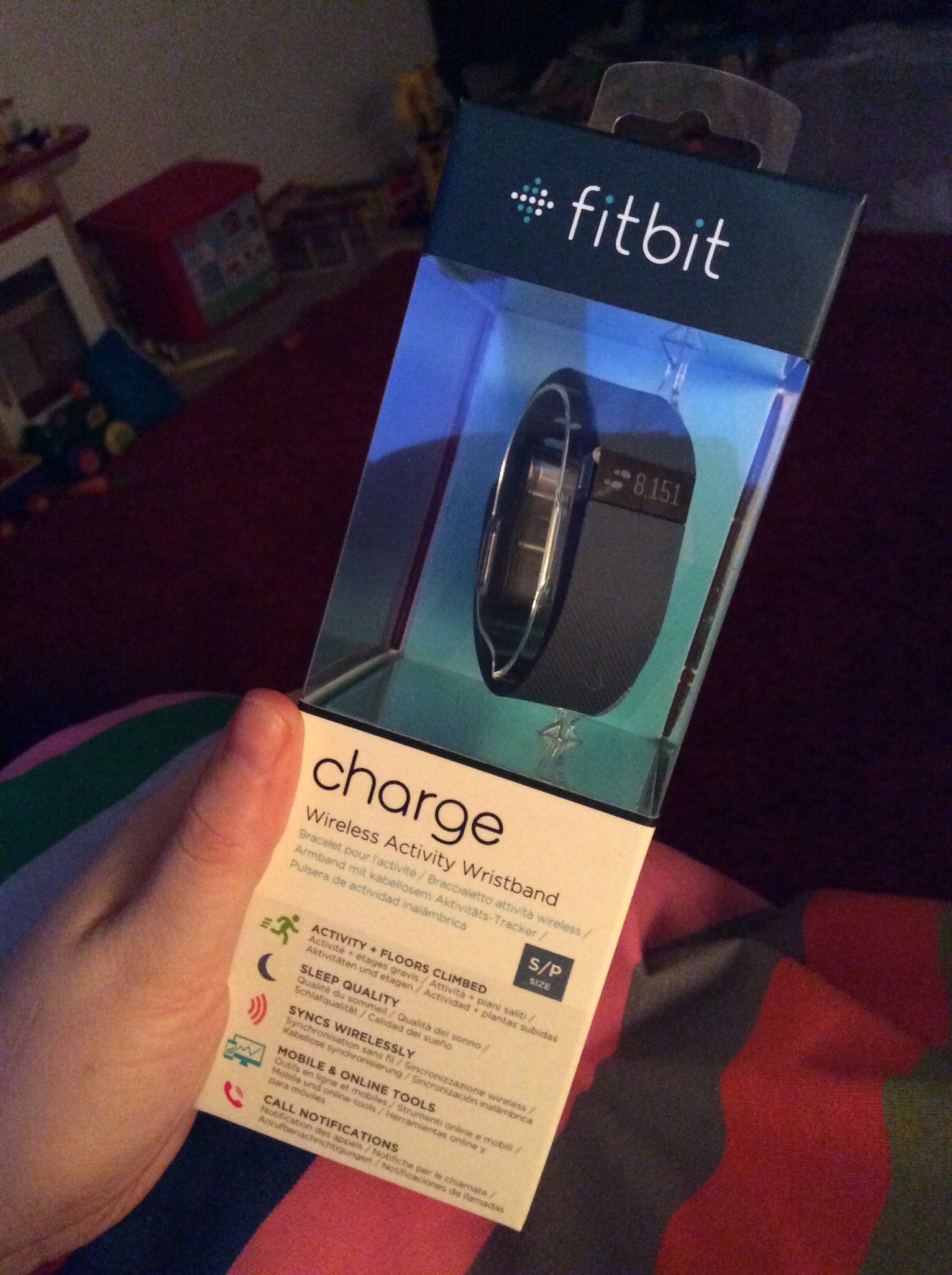
A couple of weeks ago I got the news that my spine was pretty much crumbling and I needed to lose weight to slow down the deterioration. I’ve pretty radically changed my diet, but I am limited in the kinds of exercise I can do. I decided to buy a Fitbit Charge. I wanted to get a baseline of my current (in)activity and use it to build on that. I’ve worn my Fitbit, an activity tracking device for just over a week now, but just how accurate is my Fitbit?

My activity tracking device is a Fitbit Charge. I paid for it myself and it cost £99.99. I needed a new watch anyway so I thought the Fitbit Charge would be a good multi-tasker as it comes with a watch and measures your step count, kilometres walked, estimated calories burned and flights of stairs climbed. You sync it with your phone or tablet (mine is linked to my iPad) and the app tells you how you’re getting on. If you wear it overnight it also measures the quality of your sleep and has a vibrating alarm which you can set to wake you up. I have a four year old so I have no need for any kind of alarm ever.
how accurate is my fitbit

Quite quickly I noticed a number of accuracy issues, here’s a bit of a breakdown;

  • Before bed I’d check my step count and then check it again when I woke up, most mornings I noted that I’d ‘walked’ around a hundred steps in my sleep without leaving the bed.
  • When I blow dried my hair I ‘walked’ another 100 or so steps, so I started taking the Fitbit off when I was getting ready.
  • About a third of the time when I climbed the stairs it didn’t register that I had done, so that wasn’t included in my daily activity.
  • I walked around a museum for three hours and it registered only about 1000 steps which I think was a gross underestimation.

So I think my Fitbit isn’t as accurate as I’d hoped it would be. Additionally when it tracks my sleep I think that it is very inaccurate. The sleep tracker tells you how long you slept for, if you woke during the night and how restless you were. For a few nights I’ve been concerned that it wasn’t accurately measuring my sleep, generally when I knew I’d had a terrible night and it told me I’d had a good 7 hours.

how accurate is my fitbit
My terrible nights sleep where I was active for half an hour which was recorded as ‘restless’ not as awake.

Last night the small boy wet the bed at 4am so I got up to deal with it, changed him and the bed and put him back to sleep, pausing to nip to the loo myself. I checked the time using the Fitbit (you have to press a button), before falling back into my bed exhausted. I was surprised this morning when I checked the sleep tracker that it told me I’d had a fairly good night and I’d only been a bit restless around 4am.

I then found this article on the BBC website about activity trackers being inaccurate, it makes for interesting reading. Essentially activity trackers generally aren’t that accurate, but the manufacturers are suggesting that we use them to monitor patterns of activity and sleep behaviours, and that variations in algorithms and the physical characteristics of the individual wearing the device, like height and gait, as well as wearing position, can result in accuracy differences.

That makes perfect sense to me, I need to stop obsessing that it’s inaccurate but use it to motivate me to do better. There are days I know I will be walking more, so mentally I set a step target to hit that day, the Fitbit will help me achieve that, even if it’s not strictly accurate. It all adds up and it all helps towards my ultimate goal of health and well-being.

So would I recommend the Fitbit Charge? Well yes, the app is a little buggy and as I’ve mentioned it’s not 100% accurate, but if you’re after a ball-park figure of what your activity level is it’s a good piece of kit. I think it’ll do the job for me, which is basically to motivate me to move around a bit more.

Do you have a Fitbit or other activity tracker? How are you finding it?

Health Update: Weight Loss or Wheelchair

I’ve been putting off writing this blog post for a week now. You may remember a couple of weeks ago I had an MRI scan, well the results are in and it’s not the news I’d hoped for but it was the news I was expecting. My quite ruined back is absolutely ruined, my dodgy disc has now vanished, leaving bone rubbing on bone and I have multiple disc bulges.

I’ve been referred for pain management, physio and told to think very careful about my next surgical option which is getting my spine fused. In the meantime I need to lose some weight to take the pressure off and to help get me fit for surgery. It’s no exaggeration to say that I’ve spent much of the past week crying. I will not feel sorry for myself now, I have a project to focus on. Losing weight.

I’ve done it before. In 2013 I lost about a stone and a half, mainly through starving myself and walking miles, but starving myself isn’t a sensible option. Nor can I walk for miles, I just don’t have the time these days. So what am I going to do?

I’ve logged back in to ‘My Fitness Pal’ which is an app where you diarise your food and exercise each day. I’m aiming to eat around 1300 calories a day to begin with and its already starting to have a positive effect. I’ve lost a couple of pounds in just under a week. I’m feeling positive about that. I’m trying not to drink, or drink as much. I went to the pub with a friend and drank diet coke and survived. It’s doable.

We’re going away for half term and I’m not going to deny myself nice food and drink, but it will be in moderation, I’d just like to get a bit of a head start on losing weight before I go.

As for exercise, well I am quite limited in what I can do. I spent Monday morning helping out at school and both of my legs have been numb ever since, I know resting will help the feeling come back, it’s just stuff from inside my discs pressing on some nerves. It’s weird, it’s worrying but it’s kind of normal for me.

I can walk, so when I can I will. I can swim, so I know I must make an effort to get down to the local pool during their ridiculously restrictive swimming times. And I’ve just bought myself a Fitbit which should help me get an idea about my current level of (in)activity and hopefully help motivate me to improve.

I think long term it’s going to be about making small changes, keeping moving, drinking less, making better choices about what I eat. It’s a long journey, a lifetime journey but if I want to stay out of a wheelchair and on my feet then it needs to be done. Wish me luck.

Weight loss

What’s it like to have an MRI Scan?

I had an MRI scan this week. It was my third time in an MRI scanner and if I’m honest, it’s not the most fun thing in the world. As part of what is turning into an occasional series of ‘medical things which have happened to me, explained in non medical speak’ here is my MRI Scan story.

Most people will be sent for an MRI scan by their GP or hospital consultant. My first scan was a private one which I paid for myself because no one would believe that I was in as much pain as I was, as a result I was rushed in for urgent surgery to prevent paralysis, but that’s a fun story for another day.

If you’re having a scan on a small area, like an ankle or elbow, your scan shouldn’t take long, maybe 15 minutes tops. I’ve previously had two scans of my lumbar spine which took around 20 minutes each. This week I had my lumbar, thoracic and sacral bits of spine scanned, it’s a large area to cover, so I was in the scanner for nearly an hour, although scans can go on for as long as 90 minutes if you’re getting everything scanned. Around 15 minutes is the average though.

My advice would be eat and drink normally before your MRI scan, maybe tone down the amount of liquid you consume, you don’t want to be dying for the loo while you’re in there. My other piece of advice would be take off all unnecessary jewellery before you leave the house. I removed earrings, nose stud, necklace, bracelet, wedding ring and my watch, not only does this save time, but it stops you worrying about them being pinched. You can’t wear anything metal while you’re in the scanner. This includes your bra, but you can take that off in the changing room.

You’ll be allowed to keep your normal clothes on. As jeans are out (metal studs, rivets and zip or buttons) leggings or jogging bottoms are a good and comfortable option. The temperature in the scanner can be all over the place, my head and feet were freezing, but my body found it almost intolerably hot, so dress lightly but with good thick socks.

You’ll be asked to complete a short safety questionnaire and they’ll double check that you don’t have any medical conditions or metal in your body before you start.

They will then take you into the scanner. You lie down on a table, they can provide a pillow for your knees if like me you’d find that more comfortable. They gave me a panic button to be used if I got into any difficulties and they put some headphones on me. This was to protect my ears from some of the banging, and for the first 15 minutes I was played some awful local radio station. I actually preferred the horrible banging.

The scanner is a fairly tight metal tube and you are encased in it. The table will slide up or down every few minutes so they can scan a different section. It is tight and claustrophobic, but you can cope with it. I promise.

When the radiologist leaves you and you feel the table start to slide into the tube, it is best to close your eyes and not open them until you are out of the scanner at the very end. This stops you seeing just how claustrophobic it is, so you shouldn’t panic as much. It is tight and you have to remain perfectly still throughout the scan.

There is a camera above you, so the radiologist can see your face throughout and you have the panic button. They can talk to you through the headphones if they need to and usually they let you know when it’s over too.

While you’re in there it’s best to try and distract yourself, your nose will itch and you can’t scratch it, if you’re familiar with meditation now is a really great time to practice. Lie still, breathe calmly, eyes closed, thinking happy thoughts. What might interrupt this will be the banging. This is very loud and alternates between quite pleasantly rhythmic to “borrower trapped in an alarm box”, it can be a bit frightening but it is perfectly normal.

Do distract yourself with happy or amusing thoughts. I planned some holiday activities, thought about some boots I’m going to buy and during desperate moments imagined a large glass of red wine gradually filling as each minute passed. It helped. One thought which kept coming back was “how bonkers is this? I’m stuffed in a metal tube, I can’t move and I’m listening to an inept steel band warming up”. That helped too.

My MRI scan went on for much longer than I’d anticipated, so I was very near the end of my tether when I got out. I did survive it, and although I don’t know the results of my scan just yet, I know that having a scan has saved me in the past, it’s not something I look forward to but if you plan a mental strategy for dealing with it you will be ok. Close your eyes, think happy thoughts, buy new boots, find out what is wrong with you so they can fix you.

If you’re going for an MRI scan, read the information sheets they give you carefully, take out that piercing you got on holiday in Thailand, lie back and think of England and for gods sake keep your eyes closed. It’ll be over before you know it and it will make a real difference to your treatment. Good luck, you’ll be fine.

MRI Scan

Smear Test – what really happens

Last week I had my cervical smear test. If you’re anything like me I always Google the hell out of anything medical I’m about to have done so I can be prepared for the best and worse case scenarios. Even though I’ve had a number of cervical smear tests before, I still searched the Internet to have a read up on what was about to happen. There’s plenty of information out there, but sadly not a lot from people who have had the test, just lots of information and advice from people in white coats.

In England free tests are offered to all women aged between 25 and 64 who are registered with their GP. As I understand it the tests are currently every three years if you’re under 50 and then they are five yearly thereafter. It had been five years since my last test, I was sent all the letters inviting me for the test but I was going through some things so I ignored them, pretty stupid I know.

So what actually happens during a smear test? Well I can’t speak for all cervical smear tests ever, but mine went a little bit like this…

Firstly, preparation. What do I do? I agonised over this for days. Do I shave, wax, tidy up, go full 1970s bush or just spray it with glitter? In the end the look I went for was “busy mum with a well tended but not over coiffed lady garden”. I also ensured that on the morning of my smear my bajingo was as clean as a whistle.

I went into the nurses room, sat down and made slightly awkward small talk about my hoo-ha. She wanted to know if it was happy at the moment, had there been any strange discharge or bleeding. She also needed to know when the first day of my last period was, so do go armed with this information. It’s probably a good time to mention to the nurse if you’ve had any STDs or anything, or if you’re concerned you might have something wrong. If you’re getting your vajayjay out for a smear then it’s no bother for the nurse to check you out for other things too.

It’s worth mentioning at this point that anything you have got the nurse will guaranteed, 100% have seen something much worse elsewhere. Nurses are generally really unphased by almost everything put in front of them, so don’t worry, honestly, your fru-fru is probably pretty boring to them.

The nurse asked me to go behind the curtain and take my knickers and trousers off and then lie on the couch. She gave me a large piece of paper towel to cover myself with. When I was ready she returned and asked me to put my feet together and let my knees fall apart, she asked me to put my hands under my bum as that helps tilt the pelvis so the cervix is more accessible.

She then explained she would squirt some lubricant inside me and insert a speculum. A speculum is a device which opens up the vagina so the nurse can see and easily access the cervix. It’s not painful, I didn’t find it uncomfortable, it just feels a bit like someone has opened you up, which they have.

The nurse then did the actual smear. This involves scraping some cells off my cervix with a small plastic brush. On medical websites this is described as feeling like a small scratch and I think it can do depending on how sensitive your cervix is and how hard it’s being scraped. It does feel like a scratch, but because of where it is it does feel a bit more ouchy, tender and intimate. It’s a pretty strange place to get scratched so it does feel a bit odd.

What isn’t described on the medical websites is how you’ll feel afterwards. Every woman is different, but immediately after my smear I noticed some bleeding on the sheet I was lying on, nothing major just a few drops. This continued on and off for about 48 hours afterwards. I also had cramps for about 12 hours after the smear. This is exactly how I’ve felt after all of my smear tests. But like I said, everyone reacts differently and the majority of people will be absolutely fine afterwards.

The cramps and the spotting aren’t really mentioned on the interweb, but if you have it and it’s worrying you, or if it goes on for longer than you’re comfortable with do contact your GP. The nurse did reassure me that some spotting afterwards is perfectly normal.

The nurse told me my results would be sent to me in the post within 7-10 days, it actually took just 4 days to arrive. My results were normal and they’ll call me up again in another 3 years. My normal result is great news and a weight off my mind.

A cervical smear test may not be the most dignified thing in the world, but it only takes a few minutes, it isn’t very often and it is really, really reassuring to know that all is well in your lady garden. Don’t put it off like I did (because I’m an idiot). Cervical smear testing saves lives, so don’t be afraid, just think of it as part of your bajingo maintenance routine.

You can find more information on smear tests on the NHS Choices website.

Note: This post doesn’t constitute medical advice, it’s just an account of my latest smear test.

smear test

Coping with Codeine Withdrawal

Being your average wife and mother, I never thought I’d go through drug withdrawal. When I think of going cold turkey I imagine Ewan McGregor literally climbing the walls in the film Trainspotting. If I’m honest it’s a lot like that. But I wasn’t addicted to heroin, I was addicted to something my GP gave me. Codeine.

In 2013 I had two spinal surgeries and went through rehab. For around 8 months of my life I was in the worst pain imaginable, worse even than childbirth, a little bit of the innards of one of my disks was pressing, nudging and quietly torturing my nerve root. Excruciating isn’t the word, to “manage” my pain I was prescribed a heady mix of tablets including 8 codeine tablets a day, as well as a selection of other painkillers, muscle relaxants and things to make me float above the pain.

They were heady days, I spent most of them lying in bed or on the sofa sleeping or just enjoying the floaty feeling. It was a half life. I wasn’t part of my family, I watched them live their lives while I kept taking my tablets and crying. My life wasn’t worth living.

After my second operation I quickly found my feet again and was tucked under the wing of a brilliant Physiotherapist. I didn’t really need a series of special exercises, I needed someone to tell me to walk, to swim, to tell me that living my life wouldn’t damage me further. Over six weeks I went from hobbling up the road to walking a few miles down the river. It was brilliant.

Towards the end of of series of sessions he broached the subject of my painkillers. I didn’t consider that I was addicted to them. I took them as and when I needed them. Maybe some codeine to get me out of bed a few days a week, normal paracetamol as a top up throughout the day, a diazepam if I’d overdone it and needed to properly relax and sleep.

I wasn’t medicating for the sake of it, just when I needed to. Which was fine, but he suggested that I try and drop the codeine. So I did. After all I was only taking four or five a week, not the 50+ I had been on, that should be easy shouldn’t it?

I decided to go cold turkey. Like most things, I make my mind up and then my stubbornness just carries me through. After a couple of days of being codeine free my body was aching badly like I had flu, I shivered and suffered. I couldn’t get comfortable. For days I was like this. I had an awful headache that wouldn’t go, it was oppressive, then the toothache started and it got so bad I nearly phoned the dentist. At some point over the week of withdrawal I had a 48 hour session of diarrhea and vomiting, I couldn’t keep anything down. I felt like hell.

It took me a few days to figure out what was wrong with me. I was going through classic codeine withdrawal. I genuinely felt like I was in Trainspotting and I was about to die. Apparently your body wants the codeine that much, it makes your brain think there’s pain somewhere so you’ll give in and take the pills. It starts off with the aching and the headache and then the awful toothache. Thankfully I’m bloody stubborn so I didn’t give in.

I remember rolling around on the bathroom floor, shivering and sweating and wondering what the hell was wrong with me. I was in such pain and I didn’t know why. I did it cold turkey, I didn’t mention it to my GP, I had no support, I had no idea codeine withdrawal was even a thing, but it is. It’s a horrible thing.

So when a GP suggests I take some codeine for my pain I actually physically recoil. For me codeine is a last resort. It’s a great drug if you can tolerate it and if you can put up with the side effects, but it’s addictive. I wasn’t mentally addicted to it. It was easy for me to mentally to step away from it, but my body had other ideas, it had an addiction and forgot to tell me.

It’s easy to think when a GP gives you a prescription that they’re not dangerous drugs, they’re not addictive or harmful, they’re just pills that’ll make you happy or take away some pain or whatever. You don’t think about what it’s like to come off them. My GP worried a lot about me becoming addicted to diazepam (never happened, it’s a lovely, lovely drug but I was always careful with it) and they worried about me taking things like diclophenic (which can harm your stomach), but not one of the many GPs, Doctors or Consultants I saw during my 8 months from hell even hinted that codeine was addictive, I doubt any of them had really considered that it might be an issue.

It’s not that I wouldn’t have taken them, I wouldn’t change a thing because they really helped me when I needed help. But it might’ve been nice to have a bit of a heads up that stopping them would lead to codeine withdrawal. It’s pretty grim and had I known about it before, I’d have been mentally prepared for it. It’s worth doing because I do feel so much better, more alert and the horrible side effects of taking codeine have vanished.

If you’re on codeine and about to come off it, don’t be afraid of the withdrawal, think of it as a week long planned flu with a bit of a stomach bug thrown in. Keep hydrated, keep moving if you can, be kind to yourself, take other painkillers as and when you need to and whatever you do, don’t give in to it. It’s just your codeine hungry mind playing painful tricks on you. I’ve been “clean” and codeine free for over a year now. It’s a good feeling.

codeine withdrawal

Tots100 Best Blog Posts by Parent Blogs

Magical Meditation for Kids – making bedtimes better

When I was pregnant I attended a pregnancy yoga class, it was a wonderfully relaxing highlight of my week, mainly due to the ten minute guided relaxation at the end of the session. Over the years hubs and I have returned time and time again to the pregnancy yoga CD which I bought from my teacher, we listen to it at times of stress and it always lulls us into a state of deep relaxation and often blissful and much needed sleep.

The small boy has always been a pretty good sleeper, but since starting school nursery in September by bedtime he’s often overstimulated, bouncing about all over the place, quick to temper and squealing like a Banshee. It’s pretty wearing to be with him when he’s like that, I often feel that way myself, but as an adult I’m able to express and deal with those thoughts, feelings and emotions.

I popped into Healthy Spirit in Didsbury a few weeks back to pick up a few things, when I noticed the Magical Meditations for Kids selection of CDs. I thought they looked pretty interesting. They start at £11.99 and go up to £14.99. Healthy Spirit have a range of different CDs to choose from depending on your child’s interest, I went for Magical Adventures which I thought would interest my little boy.

meditation for kids

The Magical Adventures Meditation for kids CD is by Heather Bestel. It contains four short mediations which are designed to help children find their inner calm as well as helping to build their confidence, self esteem and inspire their creative spirits. The meditation for kids CD is aimed at children aged 4-7 years and can be used in class as well as at home. We chose to listen to it calmly during our bath/bed routine.

The Magical Adventures CD contains four relaxations, you don’t have to listen to them all in one go, but we decided to listen to the CD in its entirety for a few nights to see which ones he was most drawn to. The CD is 34.54 minutes long and contains –
1. Magical Undersea Adventure (9.11)
2. Magical Space Adventure (7.39)
3. The Magic Circus (6.48)
4. Magic Carpet Ride (11.16)

We started off listening to the CD in the bath, but he soon wanted to get out and lie down with us on the bed and have a cuddle. He was markedly more relaxed than usual and lay with us for a while, occasionally chatting about the undersea adventure and the jellyfish, or the spaceship in the space adventure. Not only was he so much more relaxed than usual, we were too, both of us managed to nod off for a short period.

This CD is definitely going to form part of our bedtime routine from now on, especially after a hectic day at school when he needs to really start winding down for bed. After a busy day of work and parenting we can get a bit frazzled at bedtime too, so a little bit of calm won’t do us any harm either.

There are quite a few other CDs in this range and I think they’d make for interesting stocking fillers and Christmas presents. I would recommend a meditation for kids CD, especially if bedtimes can be a bit fraught and your child is overstimulated by school or whatever. I think back to how renewed and centred I felt after my yoga relaxations and I can only hope my son will feel some of that deep peace and sense of calm.

Sexual Health & Education for Teenagers

When this story broke on Twitter I got involved in a bit of a Twitter debate about it. Schools in Brighton are offering their year 11 and 12 students (aged 15 and 16) chlamydia tests. Chlamydia is the most common STD in the UK, can easily be treated with antibiotics and if left untreated can cause serious long term reproductive health problems.

The testing in Brighton schools is part of The National Chlamydia Screening Programme which is offered to people under the age of 25.

There was some surprise on Twitter that 15 and 16 year olds were having sex, a few people got the wrong end of the stick and read that 11 and 12 year olds were being offered the tests, for that there was outrage. To clarify the report, 11 and 12 year olds are not being offered STD tests routinely in school. But maybe they should. Maybe.

A report by Marie Stopes International in 2003 showed that a quarter of 11 year olds knew someone their own age who was sexually active. As a parent this makes horrifying reading. I was 9 when I started my periods, it was a horrible time for me, my hormones were raging, I was physically sexually mature, but not emotionally mature enough to handle that kind of relationship. Thankfully I hung on to my virginity until I was 16, but it could’ve been a different story.

If in 2003 a quarter of the nations 11 year olds were having sex, that’s an issue that needs addressing on a number of fronts. Sex education for a start, you can talk some kids into waiting until they’re married, some into hanging on until they’re 16, but some will do what their hormones are telling them to do and do it anyway, so they need support. They need sex education, contraceptive advice, access to sexual health screening, someone to talk to, ideally an understanding and supportive parent or guardian. Supportive not of their desire to have underage sex, but someone who will listen and offer guidance without judging, shouting and making them run for the hills.

I absolutely do not condone being sexually active at a young age. Just because you’re physically ready, it doesn’t make you actually ready. But if teenagers are going to do it, then they should have access to the same sexual health support that is available for anyone else.

Of course if an 11 year old is displaying sexual behaviour, then there could be an issue elsewhere in their lives which needs official intervention. I don’t think we should be blindly nodding and saying it’s ok to be sexually active to young teenager, that’s where someone supportive comes in.

When I was 13 I met a boy I liked and I wanted to do the right thing, so I went to the sexual health clinic. I was lucky enough (though I didn’t know it at the time) to meet a nurse in the clinic, she was lovely and talked to me about why I wanted to have sex with him. She spent ages with me, giving me exactly the kind of sex education I needed at the time, she was brilliant. She sent me away with some condoms and lots to think about. I didn’t have sex with the boy, I waited three more years and those condoms ended up in the bin. But without her supportive, informative, caring intervention I would’ve been sexually active at 13.

I don’t believe that offering sexual health services to underage people sends the message that as a nation we approve of or condone their behaviour. Anyone who had ever visited a sexual health clinic will know that although mostly it’s not unpleasant, it’s not ever going to be the highlight of your week.

As a parent I can’t help but think how I will broach the subject with my son. Part of me is insistent that there is no way ever that boy is going to have sex, and then only to produce much adored grandchildren for me. But part of me knows that I’m going to have to have a number of open, honest and informative conversations with him when he gets older. He’s going to do it, because most people do eventually, but I want him to be safe, respectful, mature enough to deal with the repercussions and the emotions involved.

The issue of sexual health will always be an emotive one. We are all made differently. We don’t all wait until our wedding night, we don’t all have sex with someone of the opposite gender, we don’t all have one or two sexual partners in our entire lives, we don’t all do it with the lights off. We’re all different, with different things floating our different boats. And that’s how humans are.

Sex education is so incredibly important. I’m 38 and my sex education was poor, I think schools often provide quite patchy sex education, but it’s such a personal subject that parents have a responsibility to talk to their children about sex. Sex isn’t dirty, it isn’t taboo. It can only take one conversation, like the one I had with the sexual health nurse to change a path. Don’t be afraid, don’t be embarrassed. It’s time to have that conversation with our kids.

How to get a good nights sleep

I was always a sound sleeper, right up to the moment the small boy arrived and then, well you know the rest. I’ve had nearly four years of broken nights and worse, those nights where sleep just will not come. Talking to friend about how to get a good nights sleep, he told me about something called “sleep hygiene” and it all just made perfect sense.

There’s always lots written about children’s bedtime routines, but much less so for adults. I think we all have bad habits, overstimulating ourselves before bed with tv, the internet, caffeine and alcohol, then falling into bed and thinking sleep will just magically come to us. I think, especially about myself, that my body has got out of the habit of just falling asleep and drifting off into dream-land, so to me sleep hygiene seems incredibly sensible.


It’s not just about brushing your teeth and washing your face, although those are important too; it’s about getting into a proper bedtime routine, and not doing those simulating things in the hour or so leading up to bedtime. How many of us are checking our emails and social media accounts right up until the lights go out? I’m very guilty of this.

Searching the internet for some advice I found this great little ebook from bedroom specialists, Feather & Black. The book contains lots of really useful information and advice about how to create the right environment for sleep, as well as tips on how to unwind and switch off from your day enough to have a good nights sleep. The free ebook also contains information about helping your children to get into a good bedtime routine as well.

The free ebook was inspired by the results of their annual sleep survey. Feather & Black have created the free ebook to offer practical solutions to the sleeping woes of the nation, and I think it’s a cracking little resource, and an enjoyable easy read.

What do you do to help you drift off to the land of nod?

Pamper Me! A warm bamboo massage at HealthySpirit

Pre-baby I was a bit of a massage addict. I love facials and pampering and being pummelled into blissful relaxation. Then the small boy came along and suddenly there didn’t seem to be time for me, just when I needed that time for me most. This will not do, so I booked a warm bamboo massage at HealthySpirit in Didsbury, Manchester and readied myself for 75 minutes of bliss.

I arrived and Stephanie (my therapist) gave me a little tour and led me into the Crystal Room. The Crystal Room is where most of their treatments are done, it’s a lovely warm, comfortable room. The lights are kept reasonably low; pleasant, restful music plays in the background, sometimes they burn oils to enhance the experience.

bamboo massage

We sat down and ran through my medical form, due to my back surgeries last year I am always cautious and explain what can and can’t happen with my back during treatments. Stephanie was great and reassured me that any pressure around my surgical site would be minimal. She then asked me to take my clothes off and get comfortable on the massage table, she left the room for a few minutes while I did this and while I got settled on the table.

Stephanie made sure I was warm and comfortable before she began, she asked what kind of oils I liked and then applied a relaxing blend of neroli, lavender and sweet orange mixed with the sweet almond oil carrier. The scent immediately started to relax me. She then started to massage my back, shoulders and neck using the warmed bamboo sticks.

The sticks are quite warm, but in a soothing way, they’re not quite as hot as a hot stone massage, but definitely warm enough to sooth and relax the muscles they’re rubbed on. I could definitely feel the muscles in my too-tense shoulders relaxing as the treatment went on.

Stephanie checked on me regularly, ensuring that the bamboo was the right temperature, that I was comfortable and not in any pain. Although it was a relaxing massage, the heat and pressure from the bamboo meant that the massage was deeper than it felt, which is a good thing.

Stephanie really worked at the knots in my shoulders, working her way down my body. She spent some time massaging my calf muscles, apparently we hold a lot of emotional tension there, and it’s no surprise to me that they needed some extra work.

The incredibly restful treatment ended with a lovely face and scalp massage, I’d drifted off a few times during the treatment, but this is where I did actually nod off. After 75 minutes of bliss I was left to relax, wake myself up gently and get dressed. I felt utterly relaxed but energised, like a weight had been lifted from my shoulders.

The warm bamboo massage is innovative treatment which is said to aid lymph drainage, promote restful sleep, help sensory nerve perception and provide stress relief. It really is the best treatment I’ve had in a very long time, I’ll be booking myself in for another before Christmas, because I’m worth it.

The warm bamboo massage at HealthySpirit is £45 for a 75 minute treatment, which I think is exceptional value.

bamboo massage

Note: I was given this treatment free of charge for review purposes, all images and opinions expressed are my own.

Family First Aid

Following a recent playground accident involving a heavy chain and my son’s head, I decided it was high time we got a proper first aid kit in the house. So I ordered a kit from Premier Healthcare & Hygiene Ltd; it’s a handy kids first aid kit which is small enough to carry in your bag or keep in the car, or in your bathroom cupboard. It’s got some of the essentials we’ll need to tend to the bumps and bashes that small people get, neatly packaged and would be great for camping trips and days out.

First aid kit

I was lucky enough to interview first aid expert Jason Conn who gave me some idea of how to deal with some common paediatric first aid issues.

Is there anything that can be done to reduce bruising to knees etc when kids fall over?
The first priority is to reduce the bruising and swelling. Apply a cold compress as soon as possible and if possible elevate and rest the affected area.

After the bruise has developed (which may take a day or so) a heat compress will stimulate blood flow to the area and speed the healing process.

The ideal product to use in these situations is a reusable hot/cold pack. The pack can be kept in the freezer or warmed in the microwave to suit the specific situation.

What’s the best way to clean grit and dirt out of a graze?
It would of course depend on the nature and type of wound. Small cuts and scrapes should be cleaned thoroughly using an alcohol free wipe and covered with a plaster to keep the wound clean.

Larger wounds should be judged on a case by case basis. Always seek professional medical attention if unsure.

How should you treat minor head bumps?
As long as the injury is minor and superficial the same processes as above apply. Cold compress, clean and cover wound if required. You can take medication to relieve symptoms but please take professional advice first.

If symptoms persist or get worse it’s essential to seek immediate medical attention

What’s the best thing to do with a nosebleed?
Nosebleeds are common in small children but most can be treated at home. Pinch the nose just above the nostrils and tilt the head slightly forward. Applying an icepack or cold pack to the nose will constrict the blood vessels and help stop the bleeding. Most nosebleeds will stop after 10 minutes or so. If you are having frequent or heavy nosebleeds it’s best to seek medical advice.

What are the essential first aid items every family should have?
It’s important to have a well-stocked first aid kit in your home, so you can deal with minor accidents and injuries. Your first aid kit should be locked and kept in a cool, dry place, out of reach of children. Many people also keep a small first aid kit in their car for emergencies.

Your basic first aid kit may contain:

  • plasters, in a variety of different sizes and shapes
  • small, medium and large sterile gauze dressings
  • at least two sterile eye dressings
  • triangular bandages
  • crêpe rolled bandages
  • safety pins
  • disposable sterile gloves
  • tweezers
  • scissors
  • alcohol-free cleansing wipes
  • sticky tape
  • thermometer, preferably digital
  • skin rash cream, such as hydrocortisone or calendula
  • cream or spray to relieve insect bites and stings
  • antiseptic cream
  • painkillers such as paracetamol (or infant paracetamol for children), aspirin (not to be given to children under 16), or ibuprofen
  • cough medicine
  • antihistamine tablets
  • distilled water, for cleaning wounds
  • eye wash and eye bath

It may also be useful to keep a basic first aid manual or instruction booklet with your first aid kit. Medicines should be checked regularly to make sure they are within their use-by dates.

Thank you to Jason Conn for giving his time to answer my questions. I think it’s so important to have some kit on hand to deal with everyday issues, but if in doubt always consult a pharmacist or a Doctor.

Note: I was sent the kids first aid kit free of charge for review purposes.